
Brazilian Butt Lift (BBL): Understanding the Possible Complications and Health Risk

The Brazilian Butt Lift (BBL) has become one of the most popular cosmetic procedures worldwide. Many people choose this surgery to achieve a fuller, more rounded buttock shape by transferring fat from other parts of the body.
While the procedure can produce desirable aesthetic results, medical experts warn that BBL also carries significant health risks and complications. In fact, it has been described in several medical studies as one of the highest-risk cosmetic procedures when performed improperly.
Understanding these complications helps individuals make informed decisions before undergoing surgery.
What is a Brazilian Butt Lift (BBL)?
A Brazilian Butt Lift is a cosmetic surgical procedure that involves two major steps:
-
Liposuction – fat is removed from areas such as the abdomen, thighs, or flanks.
-
Fat transfer (fat grafting) – the purified fat is injected into the buttocks to increase volume and improve shape.
Unlike butt implants, BBL uses the patient’s own body fat, which can give a more natural feel and appearance.
However, the fat injection process can lead to serious complications if not performed carefully.
Major Complications of BBL
1. Fat Embolism (Most Dangerous Complication)
A fat embolism occurs when fat injected during the procedure accidentally enters large blood vessels.
The fat can travel through the bloodstream to vital organs such as:
-
The lungs
-
The heart
-
The brain
When fat blocks blood vessels, it can cause:
-
Sudden breathing difficulty
-
Chest pain
-
Rapid heart rate
-
Loss of consciousness
Fat embolism is the leading cause of death associated with BBL procedures.
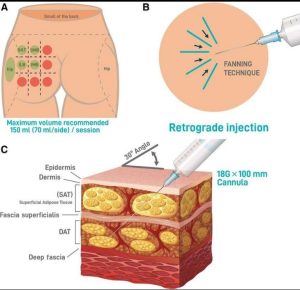
This complication often occurs when fat is injected too deeply into the muscle instead of the fat layer above it.
2. Infection
After surgery, bacteria can enter the body through surgical wounds, leading to infection.
Symptoms may include:
-
Fever
-
Redness and swelling around the surgical area
-
Severe pain
-
Pus discharge
-
Delayed wound healing
If untreated, infections can spread into the bloodstream and cause sepsis, a life-threatening condition.
3. Blood Clots (Deep Vein Thrombosis)
Surgery increases the risk of blood clots forming in the legs, known as Deep Vein Thrombosis (DVT).
These clots can travel to the lungs and cause Pulmonary Embolism, which is a medical emergency.
Risk factors include:
-
Long surgical time
-
Immobility after surgery
-
Dehydration
-
Obesity
4. Fat Necrosis
Fat necrosis occurs when transferred fat cells die due to poor blood supply.
This may result in:
-
Hard lumps in the buttocks
-
Pain or tenderness
-
Uneven appearance
-
Calcification of fat tissue
Some cases require additional surgery to remove the dead tissue.
5. Asymmetry and Poor Cosmetic Outcome
Not all fat survives after transfer. Some fat cells are absorbed by the body over time.
This can lead to:
-
Uneven buttock shape
-
Irregular contour
-
Loss of volume
Patients sometimes seek revision surgery, which carries additional risks.
6. Nerve Damage
During the procedure, nearby nerves may be injured, causing:
-
Numbness
-
Tingling sensation
-
Loss of sensation in the buttocks or thighs
Although nerve damage is often temporary, in rare cases it may become permanent.
7. Excessive Bleeding
Like any surgical procedure, BBL can cause bleeding during or after surgery.
Complications may include:
-
Hematoma (collection of blood under the skin)
-
Severe bruising
-
Need for surgical drainage
8. Seroma Formation
A seroma is the accumulation of fluid under the skin after surgery.
Symptoms include:
-
Swelling
-
Fluid-filled pockets
-
Discomfort in the surgical area
Seromas may need to be drained by a doctor.
9. Skin Necrosis
Skin necrosis occurs when blood supply to the skin is compromised, leading to tissue death.
Signs include:
-
Dark or black patches on the skin
-
Severe pain
-
Skin breakdown
This complication may require reconstructive treatment.
Psychological and Emotional Complications
In addition to physical complications, cosmetic surgery can sometimes lead to emotional or psychological effects.
Some individuals may experience:
-
Dissatisfaction with results
-
Anxiety about appearance
-
Unrealistic expectations before surgery
Proper counseling before surgery is important to ensure realistic expectations and emotional readiness.
Who is at Higher Risk of BBL Complications?
Certain individuals have a higher risk of complications, including:
-
People with underlying health conditions
-
Smokers
-
Individuals with obesity
-
Patients undergoing surgery in unregulated clinics
-
Surgeries performed by unqualified practitioners
Choosing a qualified and experienced surgeon greatly reduces risks.
Safety Measures to Reduce BBL Complications
To improve safety, medical experts recommend:
1. Choosing a Board-Certified Surgeon
Patients should ensure their surgeon is properly trained and licensed.
2. Avoiding Extremely Large Fat Transfers
Excessive fat injection increases complication risks.
3. Proper Surgical Technique
Fat should be injected only into the subcutaneous fat layer, not into the muscle.
4. Following Postoperative Instructions
Patients should:
-
Avoid sitting directly on the buttocks initially
-
Wear compression garments
-
Attend follow-up appointments
Warning Signs After BBL Surgery
Seek immediate medical care if the following symptoms occur after surgery:
-
Sudden shortness of breath
-
Chest pain
-
Severe swelling
-
High fever
-
Persistent severe pain
-
Loss of consciousness
Early medical intervention can save lives and prevent severe complications.
Final Thoughts
The Brazilian Butt Lift can enhance body contour, but it is not a risk-free procedure. Complications such as fat embolism, infection, blood clots, and tissue damage can occur, particularly when the surgery is performed improperly.
Individuals considering BBL should:
-
Understand the risks
-
Consult qualified medical professionals
-
Avoid unregulated cosmetic clinics
-
Prioritize health and safety over aesthetic trends
-
Making informed decisions and choosing safe surgical practices can significantly reduce complications and improve outcomes.
Number of Deaths Reported
A review reported at least 25 deaths in the United States within five years related to BBL surgery.
Globally, hundreds of deaths have been reported, with some estimates suggesting over 400 deaths linked to BBL complications over time.
When Death Usually Occurs
Studies examining BBL deaths found that:
50% of patients died during surgery.
The other 50% died within 3 hours after surgery due to fat embolism complications.
Main Cause of Death
The most common cause of death from BBL is pulmonary fat embolism, where fat enters large veins in the buttocks and travels to the lungs or heart, causing sudden cardiac or respiratory failure.